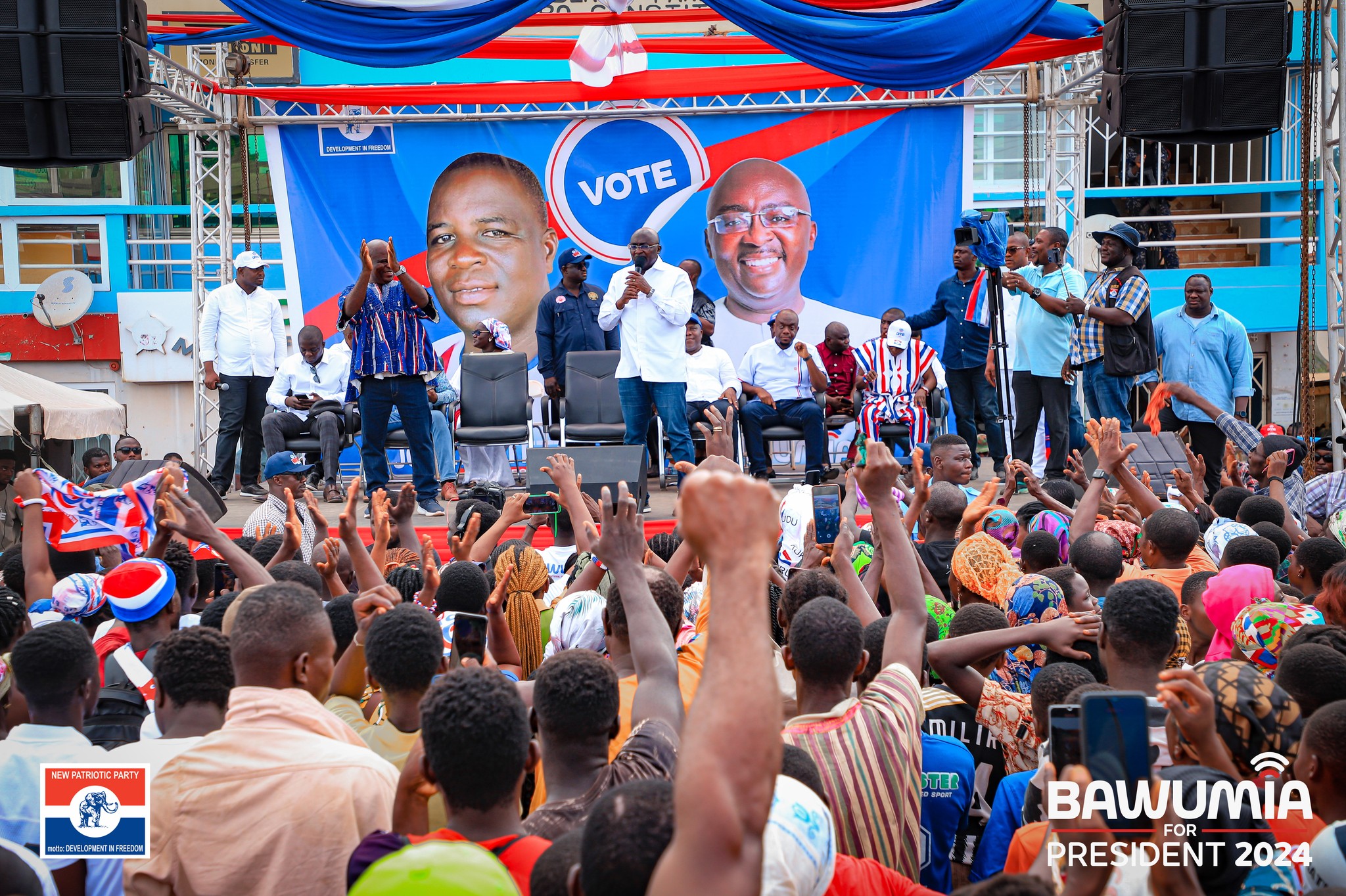
There is a habit, long embedded in Ghana’s political culture, of treating opposition as a holding pattern, a season of noise, criticism, and waiting, with genuine governance thinking deferred until after the next election. The NPP, under Dr. Mahamudu Bawumia’s emerging leadership, appears to be breaking that habit. Decisively.
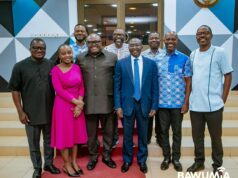
The establishment of 23 sector-specific policy committees, each staffed with technical experts and tasked with producing credible alternative policy frameworks, is not a routine political announcement. It is a structural statement, a declaration that the NPP intends to function as a shadow government, not a shadow critic.
Ghana should take note. Not because the NPP deserves special applause for doing what serious opposition parties in mature democracies routinely do, but because this is Ghana, and it represents a significant departure from the norm.
For too long, Ghanaians have been presented at election time with manifestos assembled hurriedly in the final months of a campaign, full of aspiration and light on implementation detail. For too long, parties arriving in government have spent their first years simply discovering the complexity of the challenges they inherited, when much of that discovery could have happened in opposition.
The Bawumia committee framework, if properly executed, changes that equation. By the time the 2028 elections arrive, the NPP should have two full years of sector-level policy research in the bank, real data, real costings, real implementation plans. That is a qualitatively different product from anything Ghanaian voters have typically been offered.
We are also watching closely to see whether this framework produces genuinely independent policy thinking or merely becomes an echo chamber for existing NPP positions. The credibility of the exercise will depend entirely on whether the committees are empowered to challenge orthodoxies, confront uncomfortable evidence, and recommend bold departures where the data demands it.
If they are, Ghana’s democracy will be richer for it — regardless of which party governs.
The NPP is thinking like a government. Now it must prove it can think like a better one.