Ghana’s recent gains in macroeconomic stability have yet to translate into meaningful improvements in living standards, according to the latest APL Wellbeing Tracker report.
The survey, conducted by policy think tank African Policy Lens (APL), indicates that while inflation has declined significantly and key economic indicators have steadied, many households continue to grapple with a high cost of living.
Based on responses from 3,698 individuals across all 16 regions—drawn from the 2024 voter database—the report highlights a persistent disconnect between national economic performance and the lived realities of ordinary Ghanaians.
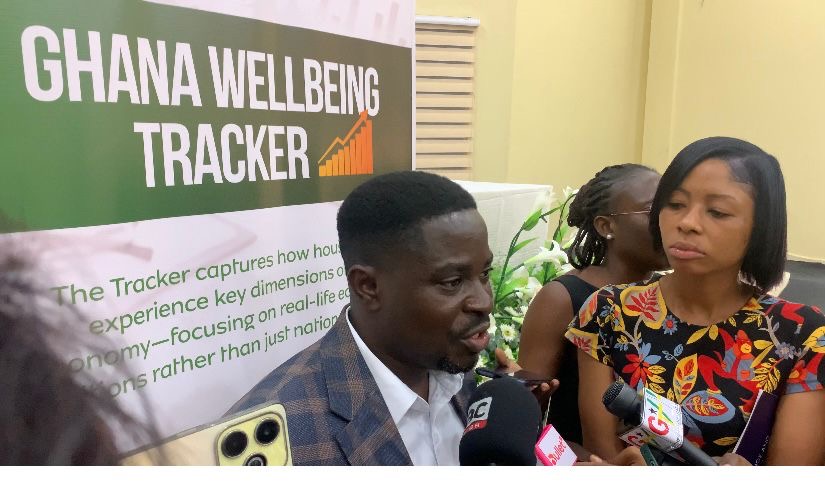
Speaking at the report’s launch in Accra on Wednesday, APL’s Director of Research and Administration, Dr. Hayford Mensah Ayerakwa, said the study was designed to go beyond official data and capture how citizens experience the economy in their daily lives.
“We have seen some very good progress at the national level, at the macro level, but the lived experience of the average Ghanaian is still not very solid,” he stated.
According to the report, Ghana’s Wellbeing Index currently stands at 58.5, suggesting a stabilising but still fragile economic environment for households.
The cost of living remains the most pressing concern, scoring 44.7 on the index. The report points to continued pressure in key areas such as food prices, transportation, and utility costs, which are straining household budgets despite easing inflation.
Employment and income security recorded a moderate score of about 59, reflecting some level of stability. However, the report notes that income growth remains stagnant, with many workers yet to experience meaningful recovery in earnings.
The findings underscore the need for policies that not only sustain macroeconomic stability but also directly improve household welfare. Analysts say bridging the gap between economic indicators and real-life conditions will be crucial to ensuring that growth is inclusive and widely felt.
The APL Wellbeing Tracker is expected to serve as a tool for policymakers, providing insights into how economic trends impact citizens and helping shape interventions that address everyday challenges faced by Ghanaians.